 Español
  English
  Italiano
  Català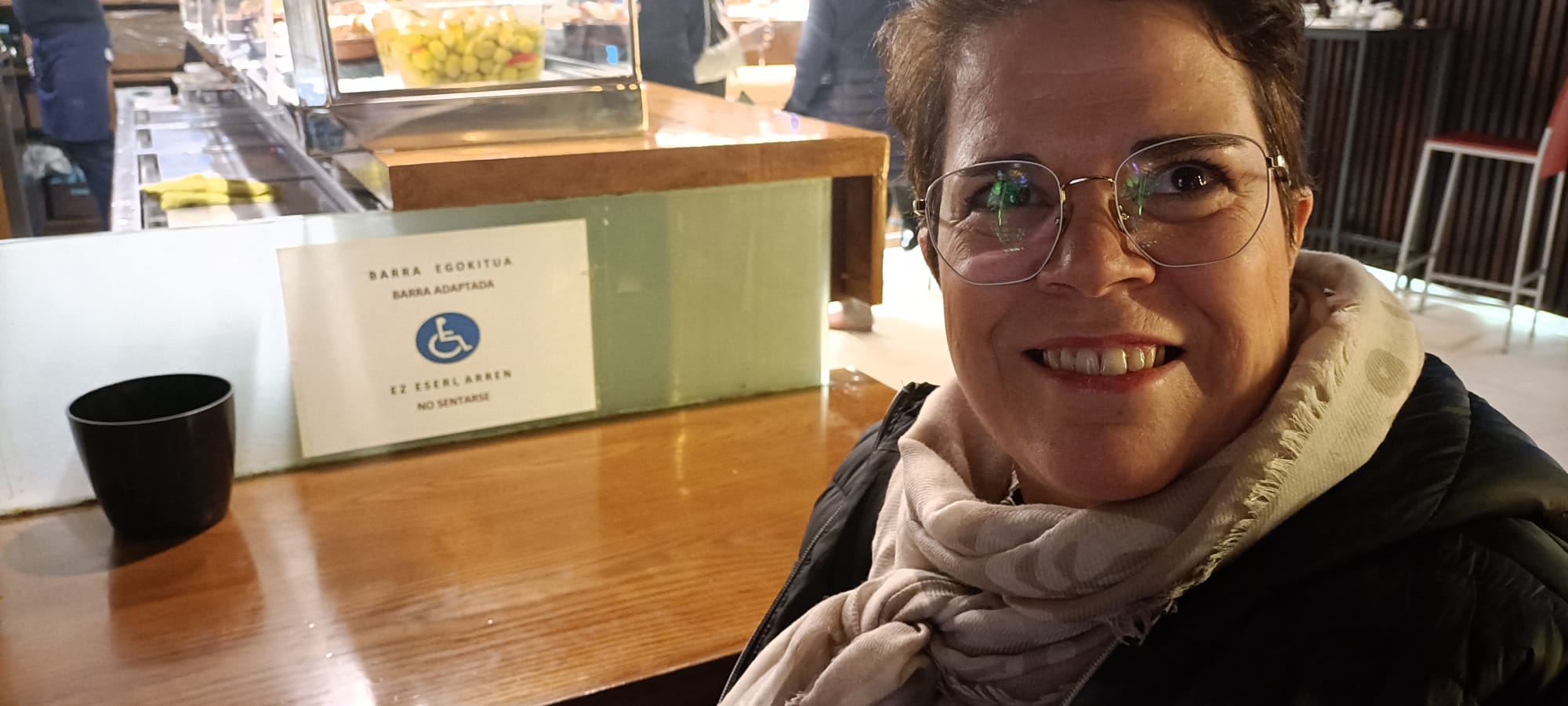
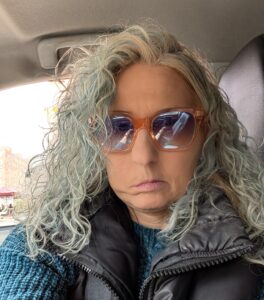
Ana Serena Pérez is 54 years old and lives with Post-Polio Syndrome, a condition that radically transformed her way of living and moving through the world. However, what didn’t change was her determination. In this interview, Ana shares her story with honesty and strength: from the challenges of childhood to the key moment when the diagnosis gave her a new focus. She talks about how she has learned to reinvent herself, the importance of taking care of body and mind, and her desire to actively contribute to the community of people with reduced mobility. A serene, brave, and necessary testimony that not only raises awareness but also inspires.
Tell us a bit about yourself: what’s your name, how old are you, and how would you like us to describe your situation as a person with reduced mobility?
My name is Ana Serena Pérez, I’m 54 years old, and I am a person with reduced mobility due to Post-Polio Syndrome (PPS).
For those who don’t know you in person. What qualities do you think define you?
I think I’m an empathetic person, calm on the outside but restless on the inside, with a great sense of responsibility and a bit creative.
What do you think has inspired your spirit of overcoming throughout your life?
To be just one more, no different from the rest.
Is there any historical or fictional figure that inspires you?
No idea. But I deeply admire those people who fight for what they want.
How has your perspective on limitations and possibilities evolved throughout your life?
Like everything in life, with ups and downs. As a child, everything was a challenge, trying to do everything like others despite having polio sequelae. In my youth, more limitations began, and it was hard to accept them, and the downturn came when, at 50, I was diagnosed with PPS, and I had no choice but to use a wheelchair. Sometimes my mind still thinks like before, and when you realize the current limitations, it’s hard to digest, but you also realize that you can do other things and in a different way.
Is there any event or encounter that made you “click” regarding your situation?
Undoubtedly, the PPS diagnosis. It gave a name to a sudden and rapid deterioration, which helped me understand what was happening to me and adapt to the new situation.
How do you take care of yourself physically and mentally? Exercise helps a lot, so I train three times a week or as much as fatigue allows, doing swimming and strength and mobility exercises at the gym and at home.
And mentally, is there anything that helps you?
In addition to exercise, I see a psychologist periodically, and I fill my time with things I enjoy: I study French, participate in a choir, and go to creative sewing and patchwork classes.
What are the biggest challenges you’ve faced in your life and how have you overcome them?
The biggest challenge in my life has been to live a “normal” life for as long as I could. I’ve always overcome challenges and difficulties with the help of others and my perseverance to overcome them. A lot of effort but great rewards. For example, one of the biggest challenges was accepting the need to use a wheelchair. I put it off as long as I could, and at first, I was very afraid to go out, but over time I saw the independence the chair gave me, and from then on, I was rolling!
What message would you give to those who are going through difficult times and need to find motivation?
I would tell them that after tough times, good ones always follow. Sometimes you have to stop, accept the situation to find alternatives, which, although not visible at first, are always there, and thus be able to move forward and accept the new situation. It’s important to visualize every small achievement and, when facing new difficulties, to stop again. In this way, you reinvent yourself little by little. It’s costly, but it’s worth it.
On the path to inclusion and accessibility, what are the major milestones that are still pending? Or what major headlines would you like to read in a newspaper about inclusion and accessibility?
Social awareness about inclusion and accessibility is undoubtedly one of the most important milestones. And another very important one for me, related to accessibility, is that it’s not just about complying with regulations, but that accessibility and inclusion must make people’s lives easier.
Is there any cliché about disability that you think is very present in society?
Of course, the infantilization that occurs in the treatment of people with disabilities, confused with empathy. The audacity of many people talking about us in front of us, but which makes us “invisible.” Having a disability does not always imply a decrease in mental, cognitive, relational capacities…
What are your next personal goals?
My main goal remains to take care of my health and do what I can at all times, accepting that there will be good and bad moments, trying to keep going.
Is there any message you’d like to send to AsoPMR members or anything you’d like to add?
Thank you for all the work being done, and I am willing to contribute everything in my power.
How did you feel responding to this interview? Has it been a significant experience for you? Your testimony can encourage other members to share their story.
I loved it, and anything that contributes to improving the situation of people with reduced mobility seems very interesting and necessary to me, so I hope my testimony can help others.